
Is Your Yacht a Floating Liability?
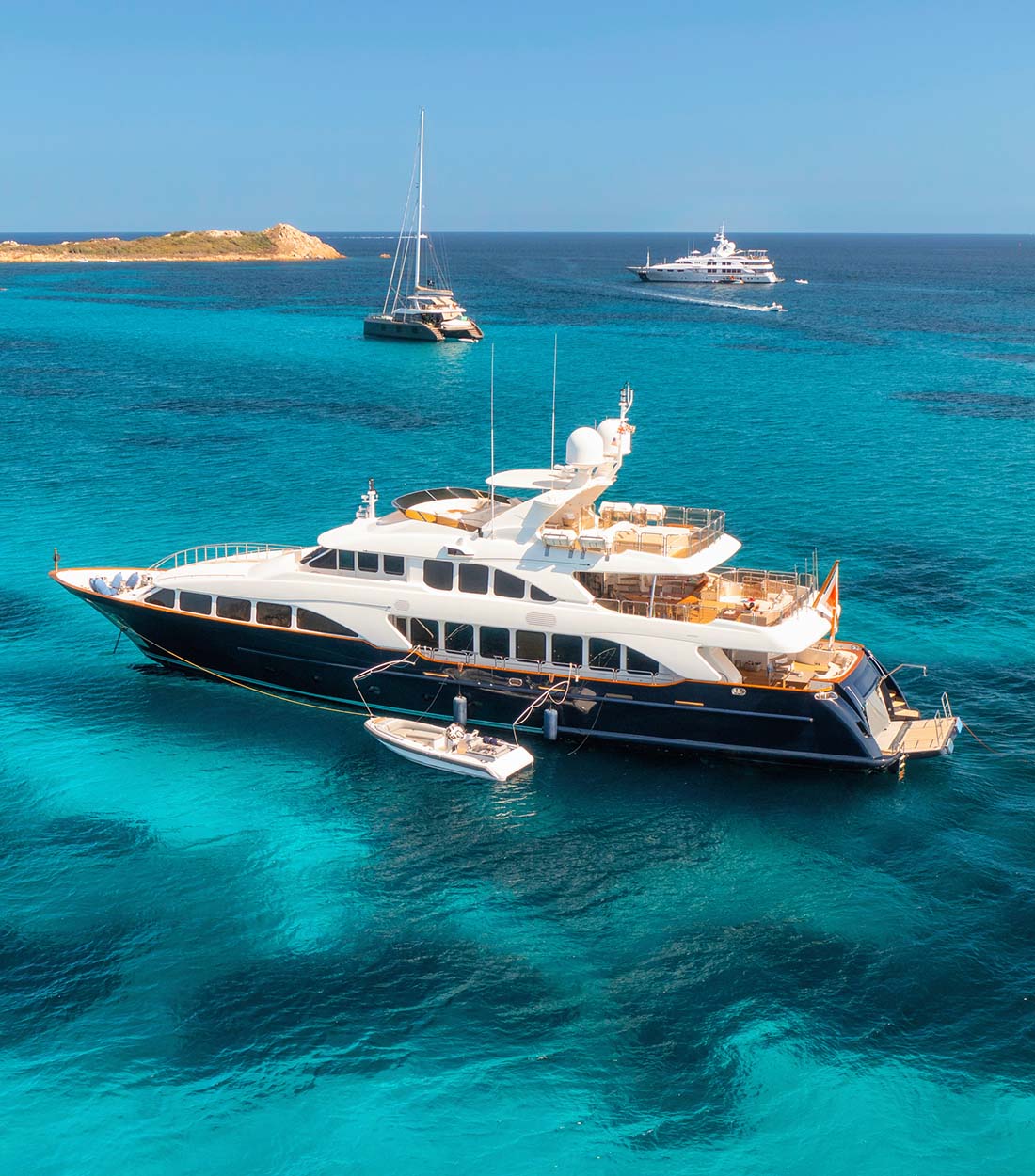
The captain had given the yacht’s chef a day off, and all was well—a swim, a trip down the slide, a tender ride—until it wasn’t. While riding an e-foil, the chef reached down blindly and lost a finger in the propeller, an accident that would have a lifelong impact on his livelihood.
Incidents like these are a reminder that even routine moments onboard can quickly become serious liabilities for yacht owners. Beyond the lifestyle and enjoyment that come with ocean travel, luxury yachts carry significant financial, legal, and operational exposures that are often underestimated.
Here, our dedicated experts, who develop insurance programs for some of the world’s largest vessels, lay out all the relevant financial, legal, and operational liabilities and how to mitigate the associated losses.
The top five most common liabilities:
1. Crew injuries.
Crew members work, eat, and sleep onboard, increasing an owner's liability exposure, particularly on heavily staffed vessels. Watersports injuries, line handling, galley accidents, and other high-risk conditions are common sources of injury. Under U.S. maritime law, including the Jones Act and the doctrine of maintenance and cure, vessel owners may be responsible for an injured crew member’s medical care, lost wages, lodging, food, and recovery expenses. Similar obligations may also arise under applicable international maritime and employment laws.
2. Guest injuries.
Once guests come aboard, injuries sustained during the trip become a liability matter for the owner. Tender transfers, personal watercraft, diving excursions, wet decks, and dockside boarding incidents are among the most common sources of guest-related claims.
3. Collision and dock damage.
Navigating a yacht into a tight slip is an art, and with an unexpected tide and wind change, the captain can swerve into another boat or the dock. Even experienced crews can misjudge tight quarters, and collisions with moored yachts are a common risk when departing crowded or unfamiliar marinas.
4. Shipyard exposure.
In a concentrated work area, a single incident—like the spark from a welder’s equipment—can ignite a destructive chain reaction. Shipyards often carry limited liability coverage—an exposure that can become glaringly inadequate when a single incident damages several multi-million-dollar vessels at once. Shipyards also may ask owners to waive rights of subrogation, limiting a carrier’s ability to seek reimbursement from responsible third parties after paying a claim—a request that requires negotiation with carriers.
5. Environmental and pollution liability.
Equipment failure, protocol violations, and improper waste management can lead to spills that damage protected reefs and marine life. In one instance, a small vessel pulled away from the dock with a fuel nozzle still attached, resulting in a serious issue. Even a seemingly minor oil leak can result in fines and penalties, often assessed without limitation, in addition to cleanup costs and potential criminal exposure.
Four steps to mitigate liability
1. Treat the yacht like a business.
Unlike sports cars, which are taken on weekend drives and then safely stored in a garage, yachts operate as full-time assets with daily operational, liability, and personnel exposures. Owners should ensure captains and crew are properly certified, background-checked, and continuously trained. Detailed maintenance records, vendor documentation, and operational logs should be maintained to support claims, satisfy underwriting expectations, and protect resale value. A proactive approach can materially reduce risk while enhancing the vessel’s long-term performance and insurability.
2. Structure ownership through an LLC or LTD.
Set up a dedicated legal entity to own the vessel. This creates a layer of separation between the owner's personal assets and yacht-associated liabilities. Though it won’t prevent lawsuits, it will limit how far a plaintiff can reach your broader estate.
3. Obtain proper protection with a layered insurance program.
A protection and indemnity (P&I) policy is the primary shield against liability claims and should at least cover the boat’s value. A comprehensive program should also include hull and machinery coverage for the physical structure, tenders, toys, and fixed furnishings; crew medical; charter liability; and uninsured boater coverage. High-profile owners might also consider cyber risk, kidnap and ransom (K&R), and hired and non-owned auto coverage. Note: Unlike with auto insurance, where a loss affects rates for up to five years, losses related to yachts follow owners indefinitely.
4. Consult the proper advisors.
Maritime attorneys, yacht insurance specialists, yacht managers, and safety management companies each bring a particular and necessary expertise. Trusted advisors should review each contract, ensure compliance with flag state requirements, and structure a thoughtful program that provides the best insulation against potential issues.
In the end, protecting a yacht owner from liability is nearly as complex as the inner workings of the ship itself. Fortunately, our experts are quite familiar with both.