
Flood Preparation & Safety
Strategic flood planning for homes and families
Flood insurance
Five things to know before a loss occurs
Floods remain the most common natural disaster in the United States. Yet many homeowners are still unclear about how flood insurance works, what it covers, and how today’s options differ from policies of the past.
Understanding your flood insurance options before severe weather strikes can significantly impact how a loss is handled — and how well your property is protected.
Watch now
How to prepare for a flood
Flood risk is increasing as weather becomes more unpredictable and severe. Proactive planning can help reduce potential losses. Comprehensive flood preparation includes important steps to take before, during, and after a flood event.
Resources to help you at every stage
Questions about your coverage?
The Risk Rundown
Flood vs. Water Damage
Many homeowners assume flood insurance is only necessary in coastal or high-risk zones. Yet nearly 40% of flood claims occur outside designated high-risk flood areas. From storm surge and rising water to burst pipes and wind-driven rain, the source of water determines how coverage responds.
Watch nowFrequently asked questions
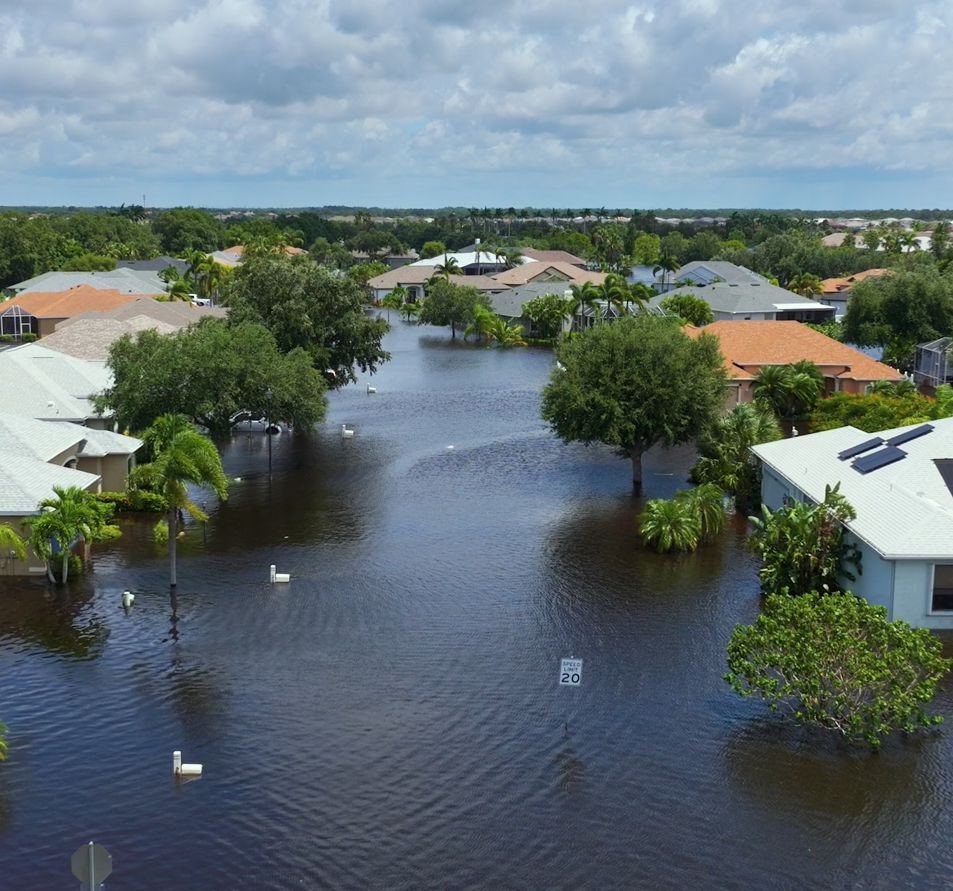
Flood damage is typically defined as water that originates outside the home such as rising water from heavy rain, storm surge, overflowing rivers, or flash floods. Water damage, on the other hand, usually refers to sudden internal issues like burst pipes, appliance leaks, or roof leaks.
Most standard homeowners insurance policies cover certain types of sudden water damage but do not cover flood damage. Flood insurance is generally purchased separately through the National Flood Insurance Program (NFIP) or private carriers.
In most cases, no. Standard homeowners insurance policies typically exclude flooding caused by rising water, storm surge, or surface water intrusion. Even if the flooding results from a hurricane or severe storm, the damage may not be covered without a separate flood insurance policy.
Because flood coverage often has a waiting period before it becomes active, it is important to review your policy well before storm season begins.
Yes, many homeowners outside designated high-risk flood zones still experience flood losses. Flooding can occur due to unexpected weather events, rapid rainfall, overwhelmed drainage systems, or nearby development changes.
In fact, a significant percentage of flood claims occur in moderate- to low-risk areas. Evaluating your exposure and understanding available coverage options can help prevent costly gaps in protection.
More important resources